
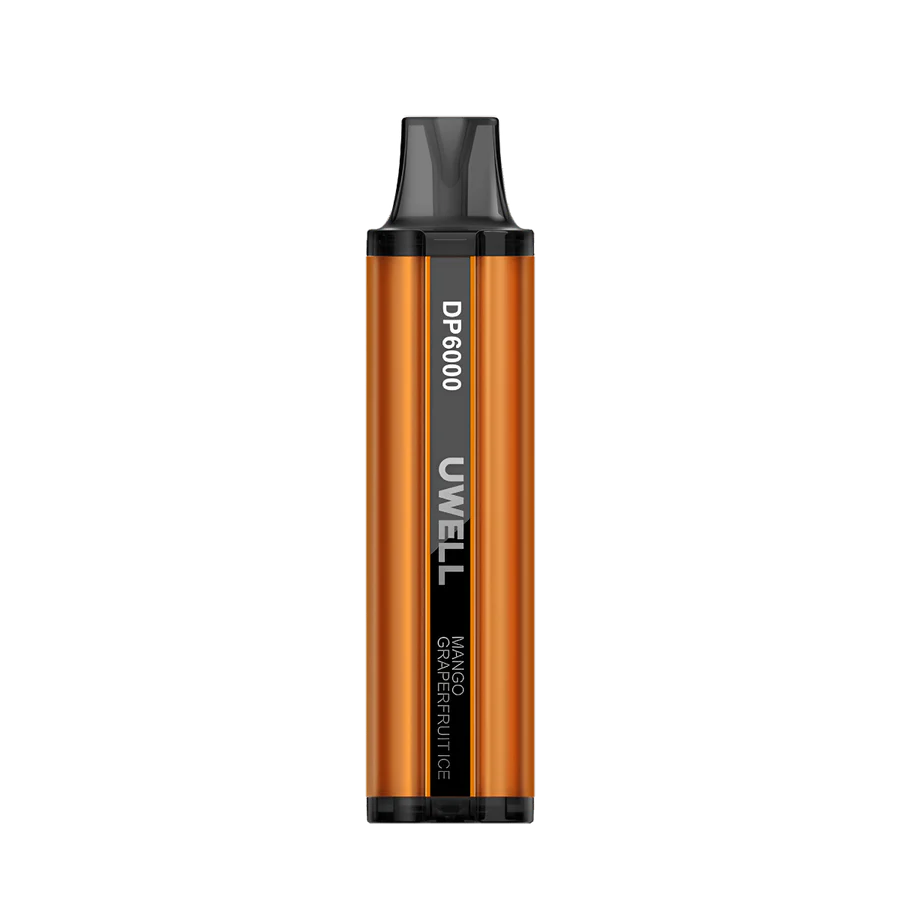
Description
The Uwell DP6000 Disposable Vape repräsentiert eine moderne Kategorie der Disposable e-cigarettes or Disposable vapes, die für ihre außergewöhnliche Benutzerfreundlichkeit bekannt sind. Diese hochentwickelten Produkte sind speziell darauf ausgelegt, eine convenient and ready to use Methode zur Inhalation von Nikotin und vielfältigen aromatisierten Aerosolen zu bieten. Wenn Sie einen Uwell DP6000 Disposable Vape For Sale suchen, finden Sie hier eine detaillierte Produktbeschreibung. Die schnelle Verbreitung dieser Einwegsysteme hat die wissenschaftliche Aufmerksamkeit auf die genaue chemische Zusammensetzung der verwendeten E-Liquids gelenkt. Daher ist eine fundierte Analyse der Inhaltsstoffe und der Aerosolchemie für potenzielle Nutzer von großem Interesse.
Was ist dieser Disposable Vape?
E-Zigaretten, wozu selbstverständlich auch die praktischen Einwegmodelle zählen, erzeugen keinen traditionellen Rauch. Stattdessen wird ein feines Aerosol produziert, indem ein speziell formuliertes E-Liquid präzise erhitzt wird. Dieses E-Liquid, die Basis für das Dampferlebnis, besteht aus wenigen, sorgfältig ausgewählten primären Komponenten. Um die Top Quality Uwell DP6000 Disposable Vape zu gewährleisten, werden nur hochwertige Inhaltsstoffe verwendet.
The carrier substances and their thermal stability
- Propylene glycol (PG): PG agiert als essenzieller Trägerstoff und zugleich als wirksamer Geschmacksverstärker im E-Liquid. Es ist maßgeblich für den wahrgenommenen “Throat Hit” verantwortlich, ein Gefühl, das viele Dampfer schätzen.
- Vegetable glycerine (VG): VG spielt eine zentrale Rolle. Es ist primär für die üppige Vapor development und damit die sichtbare Aerosolmenge zuständig. Für weitere Produkte mit ähnlichen chemischen Grundlagen finden Sie Informationen unter Buy EAM-2201.
- Thermal load: Beim präzisen Erhitzen des PG und VG können unter spezifisch ungünstigen Bedingungen, etwa bei Überhitzung oder einem sogenannten “Dry Burn”, potenziell Toxic carbonyl compounds entstehen. Hierzu zählen bekanntermaßen Formaldehyde, acetaldehyde and acrolein. Aus diesem Grund ist die herausragende Quality of the heating elements sowie eine präzise Temperature control von entscheidender Bedeutung für das sichere Emissionsprofil des Geräts.
Nikotin und Aromastoffe im Einweg-Vape
- Nicotine: Sofern das Produkt Nikotin enthält, ist dieses der highly addictive main active ingredient. Die Nikotinkonzentration in solchen Produkten ist auf maximal 20 mg/ml beschränkt, um bestimmte Qualitätsstandards zu erfüllen.
- Flavorings: Diese spezifischen Substanzen verleihen dem Aerosol den gewünschten und oft beliebten Geschmack, sei es fruchtig, süß oder andere Varianten. Obwohl viele dieser Stoffe als sicher für die oral intake are their Long-term effects with inhalation in high concentrations not yet conclusively researched. Beispielsweise steht Diacetyl, ein häufig verwendeter Geschmacksstoff (Butteraroma), im Verdacht, schwere Lungenschäden verursachen zu können. Für weitere Informationen über diverse Ingredients können Sie auch Buy AB-FUBINACA online in Betracht ziehen. Daher ist die transparente Deklaration der Inhaltsstoffe von großer Bedeutung. Das Best Uwell DP6000 Disposable Vape Available zeichnet sich durch seine klaren Spezifikationen aus.
Gesundheitliche Aspekte des Uwell DP6000 Vape
Die Inhalation von E-Zigaretten-Aerosolen birgt spezifische Risiken, die sich klar von denen des traditionellen Tabakrauchs unterscheiden. Diese Unterschiede müssen bei der Betrachtung der gesundheitlichen Auswirkungen genau beleuchtet werden.
- Addictive potential: Der regelmäßige Konsum nikotinhaltiger Vapes führt unweigerlich zur Nicotine addiction. Dieses Suchtpotenzial wird maßgeblich durch die schnelle Aufnahme von Nikotin über die Lunge verstärkt, was eine rasche Freisetzung von Dopamin im Gehirn bewirkt.
- Particle emissions: Das erzeugte Aerosol enthält mikroskopisch kleine, ultrafine particles, die tief in die feinsten Bereiche der Lunge eindringen können. Dort können sie Inflammatory reactions hervorrufen und möglicherweise Schäden an den empfindlichen Alveolen verursachen.
- Evaporator-associated lung injury (EVALI): In der Vergangenheit wurden ernsthafte severe lung damage, bekannt als EVALI, mit der Nutzung von E-Zigaretten in Verbindung gebracht. Diese Vorfälle standen oft im direkten Zusammenhang mit der Verwendung unzulässiger Zusatzstoffe, wie beispielsweise Vitamin E acetate, das in manchen illegalen THC-Vape-Produkten entdeckt wurde. Aus diesem Grund sind Laboratory-tested ingredients für die absolute Sicherheit der Nutzer von entscheidender Bedeutung. Der Authentic Uwell DP6000 Disposable Vape setzt auf Transparenz und geprüfte Qualität.
Ihre Vorteile beim Kauf des Uwell DP6000 Online
Wenn Sie sich für den Kauf eines Uwell DP6000 entscheiden, profitieren Sie von einer Reihe von Vorteilen. Wir legen größten Wert auf die Qualität und die Transparenz unserer Produkte, um Ihnen ein sicheres und zufriedenstellendes Erlebnis zu bieten. Durch die Bereitstellung detaillierter Informationen zu Inhaltsstoffen und Funktionsweise können Sie eine fundierte Entscheidung treffen. Unser Anspruch ist es, Ihnen stets das beste Produkt anzubieten. Sie können den Order Uwell DP6000 Disposable Vape Online bequem und sicher tätigen.
Fazit zum Uwell DP6000 Disposable Vape
The Uwell DP6000 Disposable Vape bietet eine komfortable Möglichkeit, aromatisierte Aerosole zu genießen. Wir betonen die Wichtigkeit fundierter Produktinformationen und laborgeprüfter Inhaltsstoffe für Ihre Sicherheit. Wenn Sie den Uwell DP6000 Disposable Vape For Sale suchen, bieten wir Ihnen ein Produkt, das auf wissenschaftlichen Erkenntnissen und Transparenz basiert.
 German
 French
 Dutch
Dutch Spanish
 Italian
 German (Switzerland)
 German (Austria)
 English (Canada)
 English (United States)
 Czech
Czech Polish
 Hungarian
 Russian
Reviews
There are no reviews yet.