
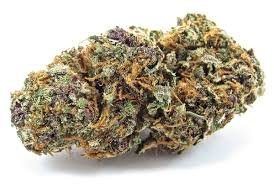
Description
Sie können die hochwertige Forbidden Fruit Indica Hybrid Strain with 23 % bis 26 % THC jetzt bei uns buy online. Diese Premium-Sorte ist hauptsächlich für ihr intense, fruity aroma und ihre tief entspannende Wirkung bekannt. Sie ist eine gefragte Wahl für Kenner, die höchste Qualität und einzigartige Effekte schätzen.
Forbidden Fruit ist eine Cannabissorte, die im Premium-Segment großes Interesse weckt. Mainly is she for her intense, fruity aroma und ihre tief entspannende Wirkung bekannt, was sie einzigartig macht. Mit einer berichteten THC-Konzentration von 23 % to 26 % it is one of the stronger Indica-dominant hybrids. Consequently ist sie ein wertvolles Produkt zur Untersuchung der synergistischen Effekte von Cannabinoiden und Terpenen.
Genetic ancestry and classification
Die Züchtung von Forbidden Fruit zielte darauf ab, eine Sorte mit außergewöhnlichem Geschmack und starker Entspannungswirkung zu erschaffen. In fact resultiert diese Sorte aus der Kreuzung zweier äußerst beliebter Sorten. Entdecken Sie die Top Qualität Forbidden Fruit now online.
The origin of the genes
The Forbidden Fruit Indica Hybrid Strain ist eine Kreuzung aus:
- Cherry Pie (hybrid): This variety contributes to the sweet, cherry-like notes. In addition it has a balanced, relaxing effect.
- Tangie (Sativa dominant): These This variety is known for its intense citrus and orange aromas. Thereby it contributes an euphoric, cerebral component to the otherwise Indica-dominant profile.
To summarize: The result is a Stable, Indica-dominant hybrid. Er zeichnet sich durch seine starke körperliche Wirkung aus, ohne die geistige Klarheit vollständig zu unterdrücken. Dies macht sie zu einer der besten Forbidden Fruit Sorten, die online verfügbar sind.
THC content and potency
Mit einer Potenz im Bereich von 23 % bis 26 % THC gehört Forbidden Fruit zu den premium hybrids. Consequently ist die Sorte hochgeschätzt für ihre maximale analgetische (schmerzlindernde) und anxiolytische (angstlösende) Wirkung. The Wirkung ist langanhaltend und intensiv. Sie können Forbidden Fruit online kaufen und ihre Top-Potenz erleben.
Sensory profile and chemical basis
Das Aroma ist ein Schlüsselfaktor für die Beliebtheit von Forbidden Fruit. In particular ist es eine komplexe Mischung aus dunklen Früchten, Kirschen und Zitrusfrische. Dies macht den Online-Kauf von Forbidden Fruit zu einem Erlebnis.
Aroma and flavor components
The olfactory profile is luxurious and fruity:
- Dominant fruit notes: The fragrance is a rich blend of Cherries, berries, and citrus fruits (inherited from Cherry Pie and Tangie).
- Creamy note: One notices a full-bodied, creamy, and gently sweet taste when consumed.
- Spicy accompaniment: Finally Subtle spicy or earthy notes provide a complex finish.
Terpenes as effect modulators
The fruitiness and calming effect suggest the following primary terpenes:
- Myrcene: This terpene contributes to the fruity and earthy notes. At the same time it is the most important factor for deep physical relaxation.
- Limes: It provides citrus freshness. Although Indica-dominant, limonene may prevent relaxation from becoming too sedative and promote a slight euphoria.
- Caryophyllene: This terpene provides the spicy accents. In addition wird es wegen seiner potenziellen entzündungshemmenden Eigenschaften untersucht. Wer Forbidden Fruit jetzt kaufen online will, schätzt diese Terpene.
Reported impact profile and application interest
Forbidden Fruit wird für ihre Fähigkeit geschätzt, deep physical relaxation with one gentle, positive mental state to combine. This effect ist typisch für Hybride mit starker Indica-Dominanz. Ein Online purchase dieser Sorte verspricht ein besonderes Erlebnis.
Typical effects
Reports indicate the following characteristic effect patterns:
- Deep body relaxation: Users report significant relief from muscle tension and physical stress.
- Gentle euphoria: The mental effect is calming, but at the same time positive and slightly euphoric.
- Stress reduction: Due to Due to its calming profile, this variety is considered ideal for evening relaxation.
Research potential
Die Kombination aus hoher Potenz und tief entspannender Wirkung macht Forbidden Fruit für Anwender in folgenden Bereichen interessant:
- Sleep and anxiety disorders: Die Sorte kann zur Linderung von Einschlafschwierigkeiten oder chronischem Stress beitragen.
- Chronic pain: The strong physical effect is of interest for pain therapy.
Botanical requirements and quality assurance
Forbidden Fruit is a productive Sorte mit harzreichen Blüten. Wenn Sie Forbidden Fruit für den Verkauf suchen, ist die Qualität unserer Produkte garantiert.
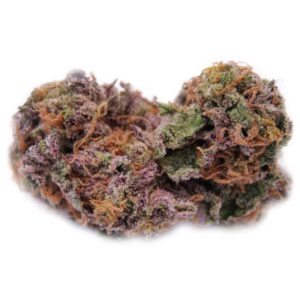
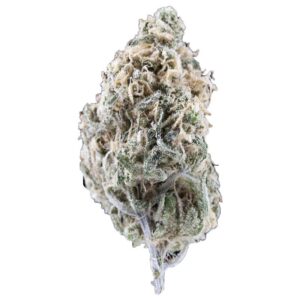
- Flower characteristics: The buds are dense and have a strong resin production. This unterstreicht ihre hohe Potenz. Für weitere Premium-Sorten besuchen Sie auch Girl Scout Cookies Strain.
- Quality control: Für die Integrität der Produkte sind Laboratory-tested THC values and the absence of contaminants. Just so kann eine Premiumqualität gewährleistet werden, die unseren Ansprüchen bei chemgramx entspricht.
Zusammenfassend bietet die Forbidden Fruit Indica Hybrid Strain ein unvergleichliches Erlebnis aus intensivem Aroma und tiefgreifender Entspannung. Mit ihrem hohen THC-Gehalt und komplexen Terpenprofil ist sie eine Top-Wahl für Kenner. Sie können Forbidden Fruit online bestellen und sich von ihrer Premium-Qualität überzeugen. Sichern Sie sich jetzt die beste Forbidden Fruit verfügbar bei chemgramx!
 German
 French
 Dutch
Dutch Spanish
 Italian
 German (Switzerland)
 German (Austria)
 English (Canada)
 English (United States)
 Czech
Czech Polish
 Hungarian
 Russian
Reviews
There are no reviews yet.