
Description
1-NMF is a synthetic chemical compound that is increasingly being studied in modern neurochemical and pharmacological research.
Their molecular structure and neuroactive potency make them a valuable tool for understanding the mechanisms of psychoactive substances on the central nervous system.
In laboratory studies, 1-NMF is used to analyze receptor interactions, signal transduction and biochemical reactions at the molecular level.
The substance is intended exclusively for scientific purposes and may only be used in professional, controlled laboratory environments.
Independent research institutions use 1-NMF to gain new insights into neurochemical processes and potential pharmacological effects of synthetic compounds.
Chemical structure and classification
Chemically, 1-NMF is one of the novel, structurally modified organic compounds that are frequently investigated in neuropharmacological research.
Although the exact chemical composition may vary slightly depending on the synthesis variant, the substance exhibits typical properties of a psychoactive research chemical.
The molecular architecture of 1-NMF has functional groups that can interact with receptors in the human brain - particularly those involved in mood, perception and cognition.
Important chemical characteristics
- Molecule type: synthetic research chemical
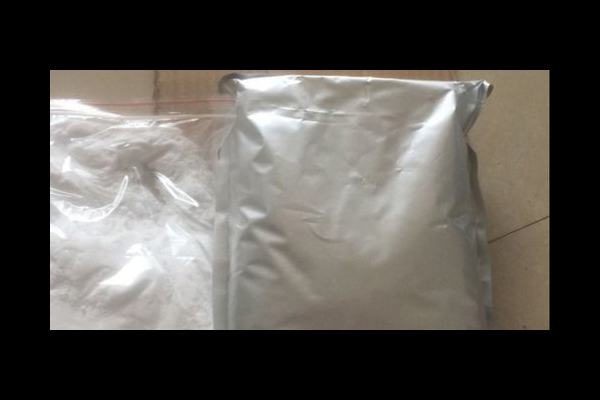
- Appearance: white to slightly yellowish powder
- Purity: ≥ 98 % (depending on analytical test)
- Solubility: moderately soluble in organic solvents
- Stability: sensitive to moisture and UV light
These physico-chemical properties enable precise applications in experimental studies.
In analytics, methods such as Gas chromatography-mass spectrometry (GC-MS) or High performance liquid chromatography (HPLC) used to confirm purity, structure and stability.
Pharmacological properties
Research on 1-NMF focuses mainly on the neurochemical and pharmacodynamic effects the substance.
Early laboratory analyses indicate that 1-NMF can interact with central nervous receptors involved in the regulation of neurotransmitters such as serotonin, dopamine and GABA.
These findings provide valuable information on possible neuroactive or psychoactive mechanisms.
Experimental research into such substances makes a decisive contribution to deepening our understanding of neuronal signaling processes.
It also provides a basis for the development of innovative therapy concepts for neurological and psychiatric diseases.
Potential mechanisms of action
- Interaction with serotonin and dopamine receptors
- Influencing neuronal excitability
- Change in synaptic signal transmission
- Possible involvement in GABA-mediated processes
These properties make 1-NMF an interesting model substance for investigating the molecular basis of perception, emotion and consciousness.
Applications in scientific research
1-NMF is used in various areas of research, in particular in the Neurochemistry, Pharmacology and Behavioral research.
It is used to research the functioning of psychoactive molecules and to analyze their possible physiological effects in vitro.
In addition, 1-NMF is used for the development and validation of analytical methods in forensic toxicology.
Main fields of application
- Receptor research: Investigation of the binding affinity to central neuroreceptors
- Signal transduction analyses: Research into neuronal activation patterns
- Pharmacokinetic studies: Evaluation of metabolic pathways and half-lives
- Toxicological tests: Analysis of possible side effects and cell compatibility
- Analytical reference substance: Use as a calibration standard in laboratory procedures
These versatile applications show that 1-NMF plays an important role in experimental research, especially in the investigation of complex neuronal and chemical interactions.
Quality standards and analytical testing
In scientific contexts, great importance is attached to the Purity, consistency and stability of 1-NMF.
Each batch is tested in the laboratory using methods such as HPLC, GC-MS or NMR spectroscopy to confirm chemical integrity and structure.
These measures ensure that the research results obtained remain precise, reproducible and internationally comparable.
In addition, chemical analysis data is stored in so-called COA documents (Certificates of Analysis) which include parameters such as purity, melting point and proof of identity.
This documentation ensures the scientific traceability of each substance batch.
Safety and handling guidelines
As 1-NMF is an experimental substance, it must be handled under strict laboratory regulations.
They should only be used by trained specialist staff in facilities that comply with the guidelines of the Good Laboratory Practice (GLP) correspond.
Any contact with skin, mucous membranes or inhalation should be avoided.
Recommended protective measures
- Wear a lab coat, nitrile gloves and safety goggles
- Working under a fume cupboard with suitable air filtration
- Avoid open handling without suction device
- Use of disposable pipettes for dosing
- Proper disposal of contaminated materials
Following these safety guidelines minimizes potential risks and ensures safe handling of the substance during experimental work.
Storage and stability
1-NMF should cool, dry and protected from light ideally at temperatures between 2 °C and 8 °C.
The substance is hygroscopic and sensitive to moisture and oxygen, which is why it should be stored in tightly sealed, chemical-resistant containers.
Proper storage makes a decisive contribution to maintaining chemical stability and analytical reliability in the long term.
Legal Notice
The legal status of 1-NMF varies from country to country.
In many regions, the substance is currently not explicitly included in the Narcotics law listed, but falls under general regulations for the use of unauthorized psychoactive compounds.
It may therefore only be used for Research purposes and is not intended for human or animal consumption.
Researchers working with 1-NMF must ensure that all legal frameworks and ethical guidelines are adhered to.
Use without authorization or outside accredited laboratory environments is not permitted.
Scientific significance
Research into 1-NMF contributes significantly to the understanding of the molecular mechanisms of action of psychoactive substances.
It provides insights into neuronal communication, receptor interaction and signal transmission - central topics in modern neuropharmacology.
It also provides impetus for the development of new therapeutic approaches for disorders of the central nervous system.
By combining analytical chemistry, molecular biology and neuroscience, scientists can use 1-NMF to better understand complex processes of human consciousness.
This underlines the growing importance of such substances in basic research.
Conclusion
1-NMF is a highly interesting research chemical that is attracting increasing attention in modern science.
It is used to research neurochemical mechanisms, psychoactive processes and molecular signal transmission in the brain.
Appropriate, responsible and legally compliant handling is essential to ensure valid and safe research results.
Overall, 1-NMF offers researchers a valuable opportunity to better understand the interplay between chemical structures and neurological functions - a step towards new scientific insights in pharmacology, neurochemistry and psychology.

 German
 French
 Dutch
Dutch Spanish
 Italian
 German (Switzerland)
 German (Austria)
 English (Canada)
 English (United States)
 Czech
Czech Polish
 Hungarian
 Russian
Reviews
There are no reviews yet.