

Description
D-Tertylone hydrochloride, also known chemically as MDPT or tBuONE, is establishing itself as an indispensable analytical reference standard of the top class. As a representative of the synthetic beta-Keto-Cathinone this substance plays a key role in the modern investigation of new psychoactive substances (NPS). The molecular structure is closely related to other clinically and forensically relevant stimulants such as MDPV and Pyrovalerone, This makes D-tertylone an important control molecule for the understanding and analysis of complex reuptake inhibition mechanisms.
Our batch of D-Tertylone HCl is strictly limited to use in controlled laboratory environments aligned. It is exclusively for qualified experts and Accredited research institutions who place the highest demands on the purity and documentation of their reagents. With a analytically confirmed purity of 98% our standard guarantees the necessary Precision and Reproducibility for your spectroscopic and chromatographic Measurements. For laboratories specializing in the establishment of robust NPS screenings and the Validation of toxicological methods is the D-Tertylone reference standard the basis for scientific integrity.
Precision in chemistry: structure, specifications and purity guarantee
The structural clarity and chemical purity of the reference material are the foundations of any valid analytical work. D-Tertylone (MDPT) is no exception, and its characterization requires the utmost care.
The detailed chemical fingerprint of D-Tertylone
The nomenclature describes the specific functional groups that give D-Tertylone its unique properties. The substance belongs to the group of beta-Keto-Cathinone (beta-ketones), which is characterized by the keto group substituent on the beta-carbon is characterized. Structurally, the molecule is characterized by the Methylenedioxyphenyl group on the aromatic ring and the voluminous tert-butylamino substituents is defined at the amino group.
- Chemical class: Synthetic beta-Keto-Cathinone
- IUPAC name: The exact chemical name is 1-(3,4-Methylenedioxyphenyl)-2-(tert-butylamino)-propan-1-one.
- Molecular form: Generally used as a stable Hydrochloride salt delivered.
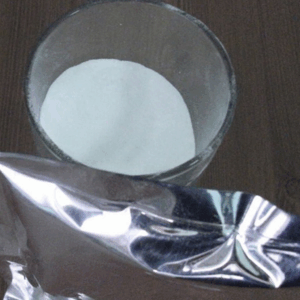
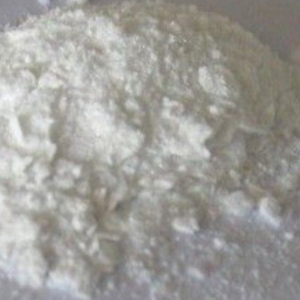
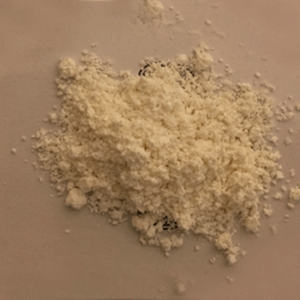
- Aggregate state: High purity, crystalline powder, which enables simple and precise weighing on analytical balances.
- Molecular weight: 213.69 g/mol (hydrochloride), crucial for the preparation of molar standard solutions.
- Solubility profile: Excellent Solubility in polar solvents (such as methanol and acetonitrile) and in water, which facilitates the preparation of calibration standards for LC-MS/MS and HPLC simplified.
Guaranteed analytical quality and documentation
Our commitment to quality goes beyond a simple declaration of purity. We offer a comprehensive Quality assurance, which is essential for compliance with international laboratory standards.
- Purity analysis: One analytical purity of 98% is the minimum requirement. This is primarily achieved by HPLC (High-Performance Liquid Chromatography) confirmed with UV or DAD detection. Supplementary techniques such as thin layer chromatography (TLC) or gas chromatographic (GC) Analyses can also be used for verification.
- Certificate of Analysis (CoA): Each unit delivered is supplied with a complete CoA provided. This document contains not only the purity assessment, but also important Spectrometric data (Mass spectrometry (MS) and Nuclear magnetic resonance spectroscopy (NMR)), which are used for the Validation of the molecular structure and the creation of Reference spectra are required in your laboratory database.
- Traceability: Our production and test protocols guarantee a seamless and complete Traceability of each batch, a decisive factor for the ISO 17025 certification and compliance with the GLP standards (Good Laboratory Practice).
Central fields of research and toxicological relevance
Research with D-Tertylone (MDPT) is crucial for the understanding of the pharmacology of synthetic cathinones and the further development of forensic detection methods.
Forensic toxicology and NPS screening
In view of the constant emergence of new cathinone derivatives, D-Tertylone is a key molecule in forensic analysis. Laboratories need the MDPT reference standard, to optimize their analytical test procedures. validate and update their databases.
- Method validation: D-Tertylone serves as an essential Quality control standard in the development of robust Multi-target screening assays for the identification of cathinones in biological samples (e.g. urine, blood, hair).
- Calibration and quantification: The high-purity material is used to produce exact Calibration curves for LC-MS/MS and other quantitative techniques, enabling the accurate determination of concentrations in forensic cases.
- Post-mortem analysis: The substance is a critical reference point for analysis in cadaveric material, where high demands are placed on the sensitivity and selectivity of the method.
Pharmacological and metabolic research
The structural similarities to prominent MRIs (monoamine reuptake inhibitors) make D-Tertylone an important model for pharmacological studies.
- Neurotransmitter transporter studies: D-Tertylone is used to improve the Affinity and Potency of the molecule Dopamine, noradrenaline and serotonin transporters to investigate. These studies will help to decipher the potential risks and the molecular profile of the substance.
- Metabolism screening: To enable forensic laboratories to detect the substance even after metabolic degradation, D-Tertylone is used for In vitro-Metabolism studies is used. The exact chemical degradation products (metabolites) and characterized their structure using high-resolution mass spectrometry. The identification of these metabolites is the key to the development of new forensic Biomarkers.
Legal framework and laboratory compliance
The purchase and handling of D-Tertylone hydrochloride is subject to strict legal regulations and is reserved exclusively for scientific use.
Legal and regulatory requirements
Irrespective of the respective national classification (which can change constantly, e.g. through inclusion in the NpSG or the BtMG), D-Tertylone is used as controlled research chemical handled.
- Sales restriction: The sale is strictly only to authorized research institutions or companies with the appropriate licenses and permits to handle controlled substances.
- Compliance responsibility: The buyer shall bear full responsibility for compliance with all local, national and international laws regarding the import, possession, storage and use of this controlled chemical.
Safety and proper handling in the laboratory
The safe processing of this analytical standard must be carried out in compliance with the strictest GLP-compliant conditions:
- PSA: The laboratory employee must always Personal protective equipment including Lab coat, chemical-resistant gloves and Safety goggles.
- Ventilation: The processing of the crystalline powder and the preparation of stock solutions must be carried out efficient, certified fume cupboard system (fume hood) to prevent exposure to aerosols or dusts.
- Storage protocol: Storage must be in accordance with the recommendations in the MSDS (Material Safety Data Sheet) take place: Cool (2-8 °C), dry and completely protected from lightin order to Chemical stability of the high-quality reference standard.
Ordering process and customer support for analytical standards
We are your reliable partner for high quality reference standards.
Available quantities and order requirements
We offer D-Tertylone hydrochloride in the following analytically relevant quantities, which are tailored to the needs of calibrations and QC tests:
- Reference sample: 100 mg
- Standard quantity: 500 mg
- Bulk quantity: 1 g
The order is mandatory:
- Proof of the Authorization and the capacity as Research institution (proof of institutional status).
- Written confirmation that the substance exclusively for analytical and scientific reference purposes is used.
- Recognition of the Limitations of liability and the MSDS.

 German
 French
 Dutch
Dutch Spanish
 Italian
 German (Switzerland)
 German (Austria)
 English (Canada)
 English (United States)
 Czech
Czech Polish
 Hungarian
 Russian
Reviews
There are no reviews yet.